
Newtownbreda Baptist Church: From Fragmented Tools to Unified Flow – How Plan Pages Brought Clarity and Consistency to a Thriving Belfast Congregation
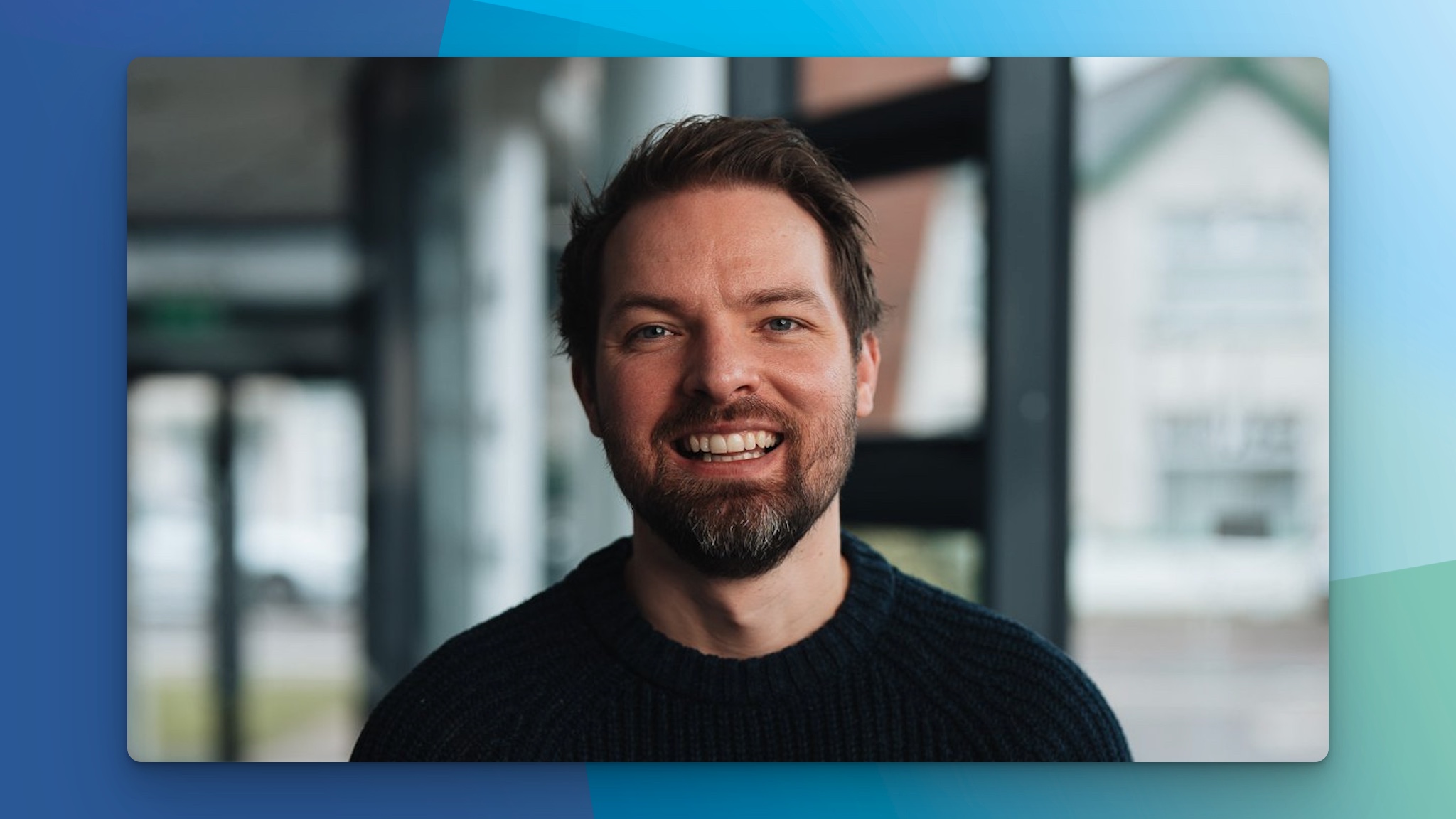
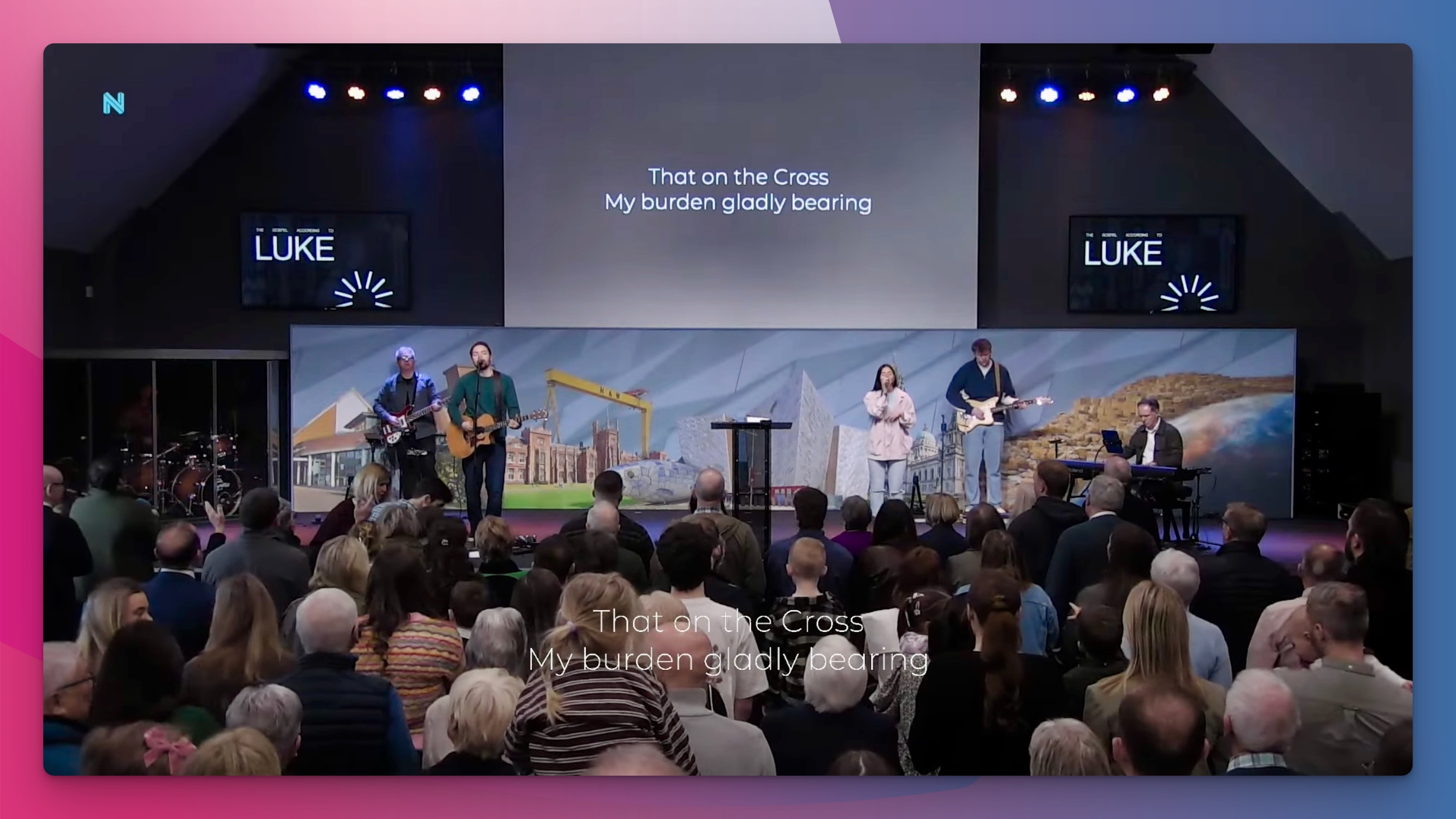
Newtownbreda Baptist in Belfast is alive on Sundays. Around 1,000 people come through three services—9:15 a.m., 11 a.m., and 7 p.m.—a real mix of young families, young adults, and older folks. The church has a strong heartbeat for service, mission, and discipleship. Their current five-year push, “Designed for Discipleship,” focuses on helping people meet Jesus, grow closer to Him, serve using their gifts, and then reach others.
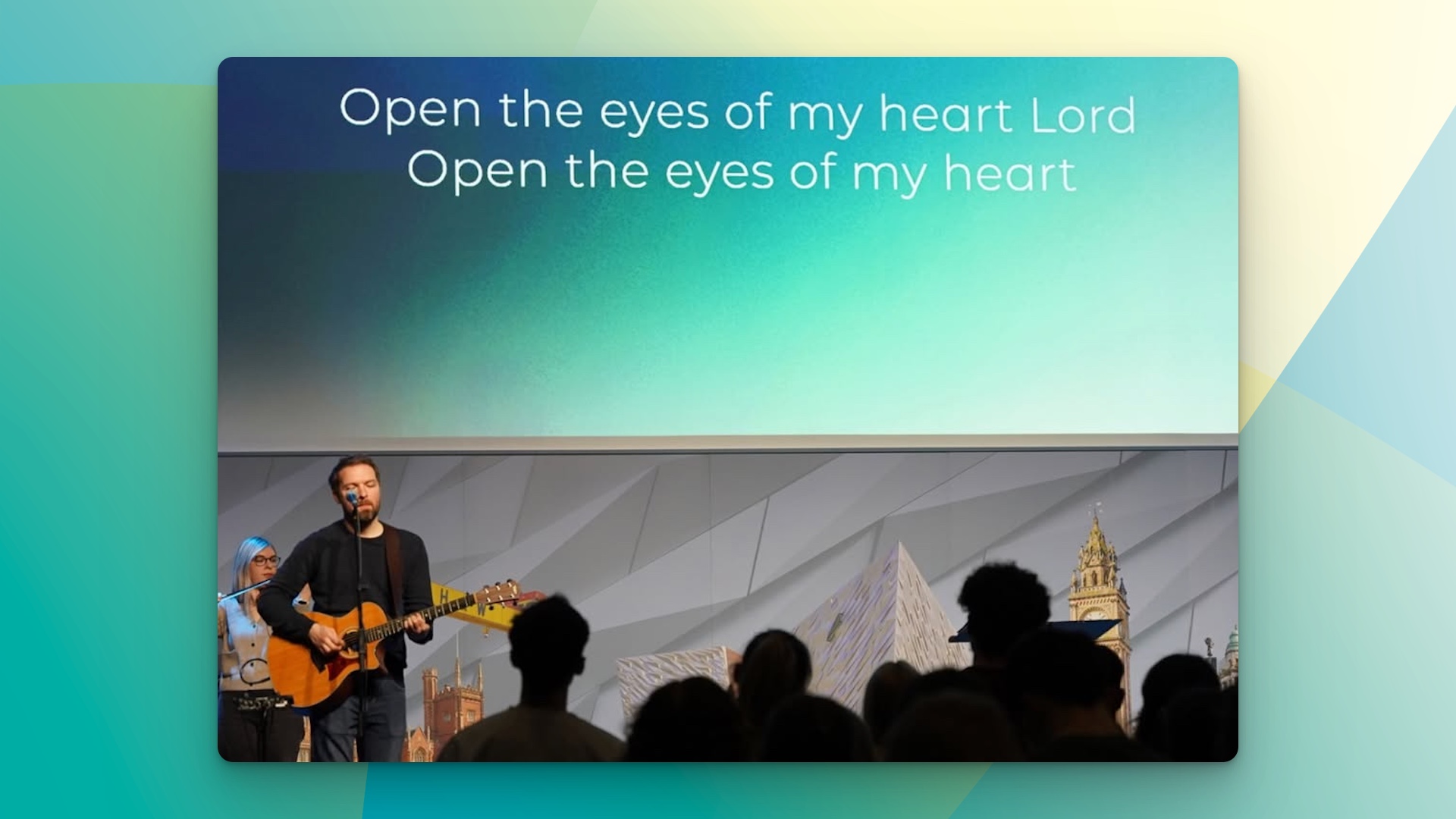
Associate Pastor Jonny Wright grew up in this very church. After studying theology in Belfast and then Dallas Theological Seminary, he returned in 2017 with his wife Lyndsay and now three kids. Jonny preaches, cares for people pastorally, and leads worship—working with a big team of volunteer musicians and production crew. Coordinating thoughtful, Spirit-led services in a growing church takes real intention.
Before: Fragmented and Frustrating
Not long ago, everyone used different tools—spreadsheets, random apps, nothing connected. As the church’s first worship pastor, Jonny tried various bits of software for rotas and planning, but nothing tied the whole church together. Communication was a headache: messages got lost, volunteers weren’t always on the same page, and pastoral care notes were scattered.
ChurchSuite came in initially through the Giving module. Once they saw how solid it was, they explored the rest. About six years ago they went all-in: one system for giving, events, forms, communications, and planning. Everything now lives under one roof.
How Plan Pages Changed the Game
Plan Pages are central to Sunday prep. Jonny sets up three service types (Sunday AM, PM, and monthly Encounter prayer night), each with its own rota. He uses templates to batch-create plans six months ahead—making the hard scheduling calls once, then letting the system populate teams automatically.
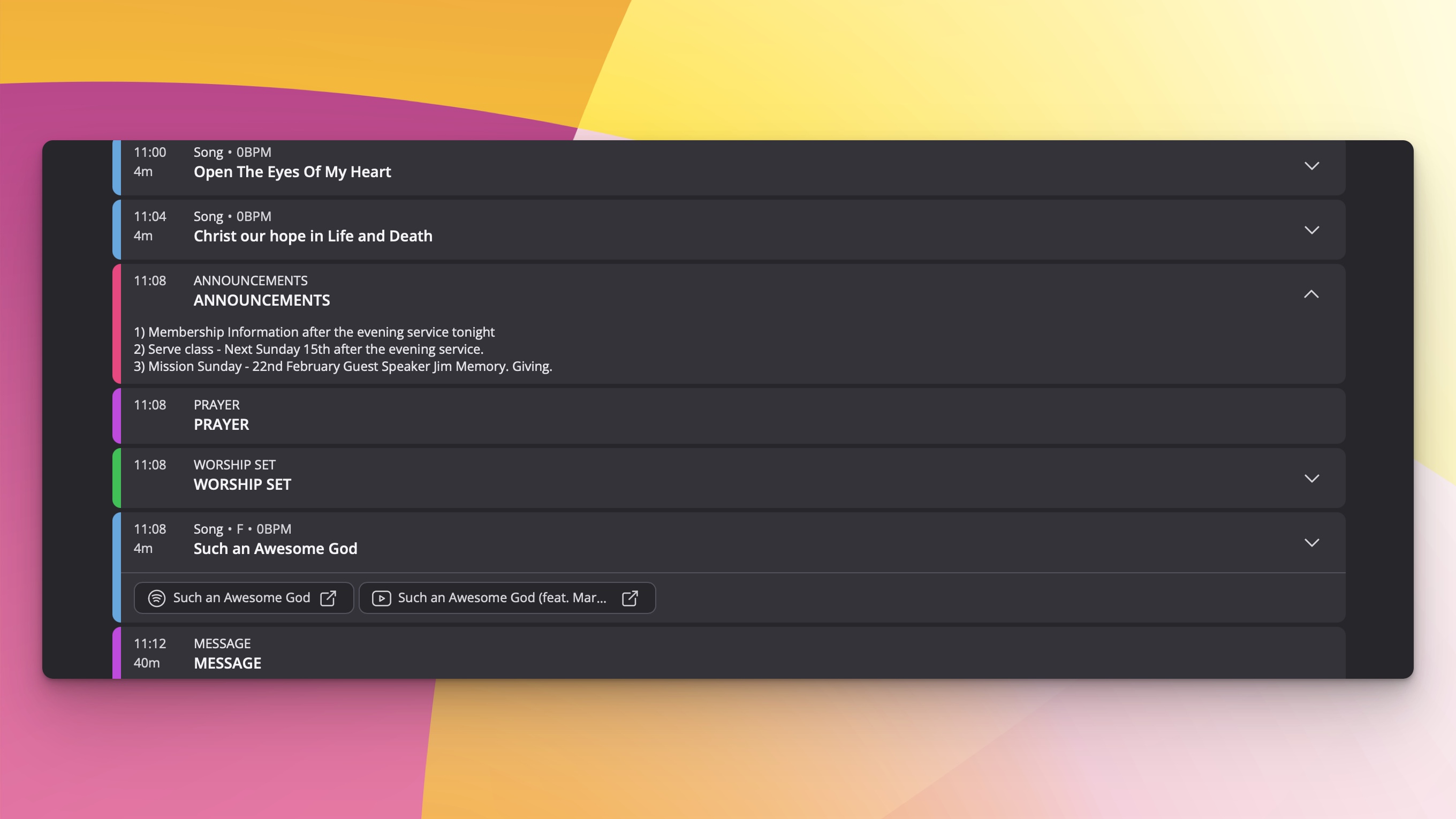
Templates keep the flow intentional: worship sets, welcome, announcements, sermon, communion, sending prayer—each item type colour-coded so you can scan plans quickly. The song library pulls in keys, timings (they budget ~4 minutes per song), and files automatically, helping services land around 80 minutes.
The weekly rhythm looks like this:
Tuesday staff meeting: everyone adds announcements and key details together.
Through the week: worship leaders drop in songs, send the Plan Page link to their team—musicians check keys and rehearse.
Sunday: production gets the plan early for lights, lyrics, livestream. Pre-service huddles run through it, pray, and sort questions.
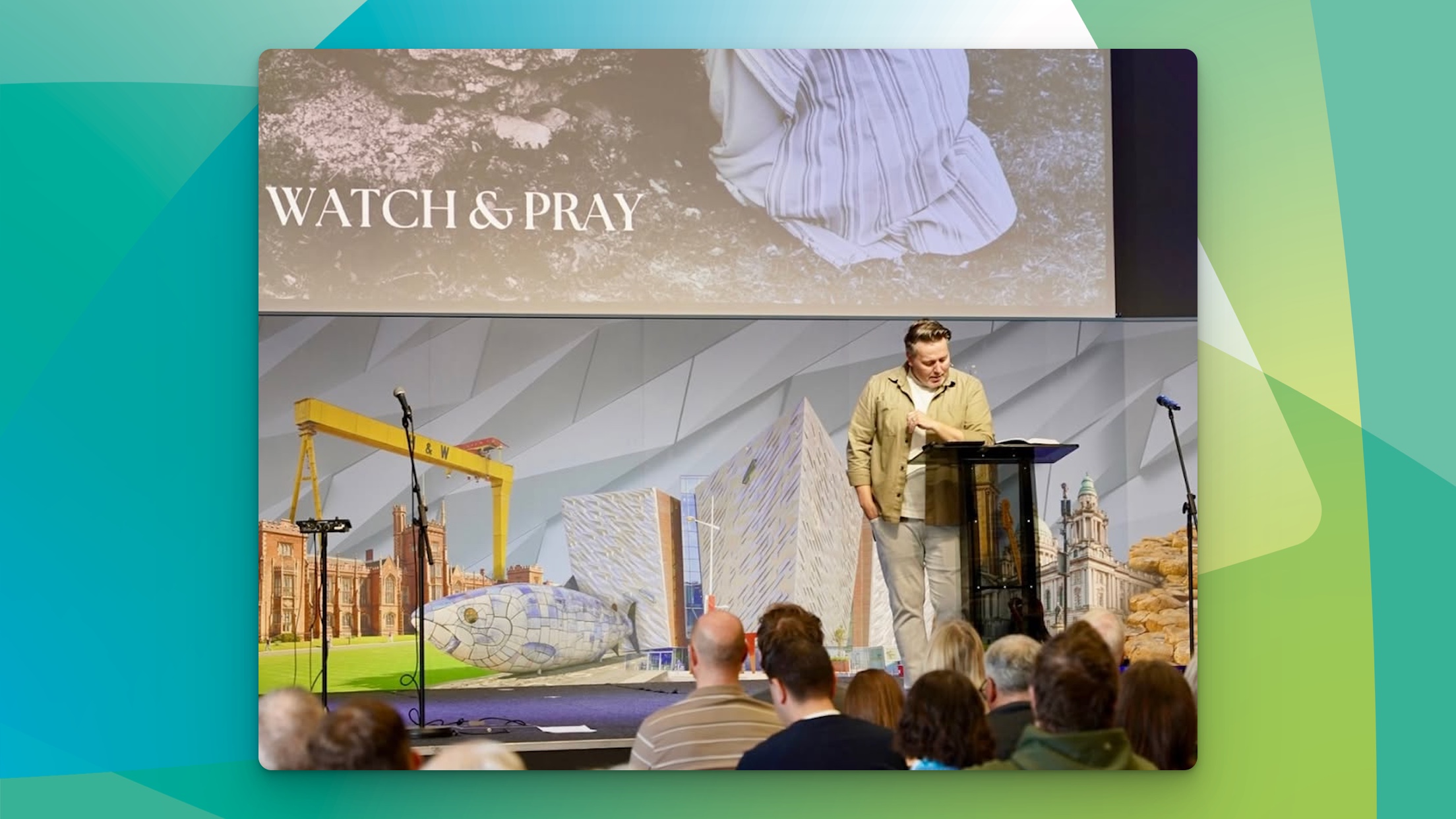
The congregation never sees the Plan Page, but they feel the difference: warm welcomes, clear transitions, space to respond after strong sermons instead of rushed announcements. Jonny remembers when packed closing announcements killed the moment—now they often keep it simple (just prayer ministry), letting the Spirit move. When a decision gets written into the plan, it actually happens.
What They Love About It
It’s clear and fast: colour coding, instant contact linking for assignments, auto-filled song data. Volunteers stay in the loop with rota reminders and shared plans. In a big, volunteer-driven church, that clarity frees leaders to focus on people instead of chasing details.
Jonny’s advice to other churches is simple: “Sit down with your team and nail your service flow. Decide what works for AM vs PM vs midweek. Template it, then batch-create plans ahead of time. It saves hours and keeps things consistent—while still leaving room for God to move.”
Newtownbreda keeps growing organically, releasing people into ministry, staying anchored in the Word and mission. Plan Pages don’t replace that heartbeat—they just help it beat more steadily. As Jonny puts it, the best tech is like good sound engineering: when you don’t notice it, you know it’s working.